PAPER Doll origami
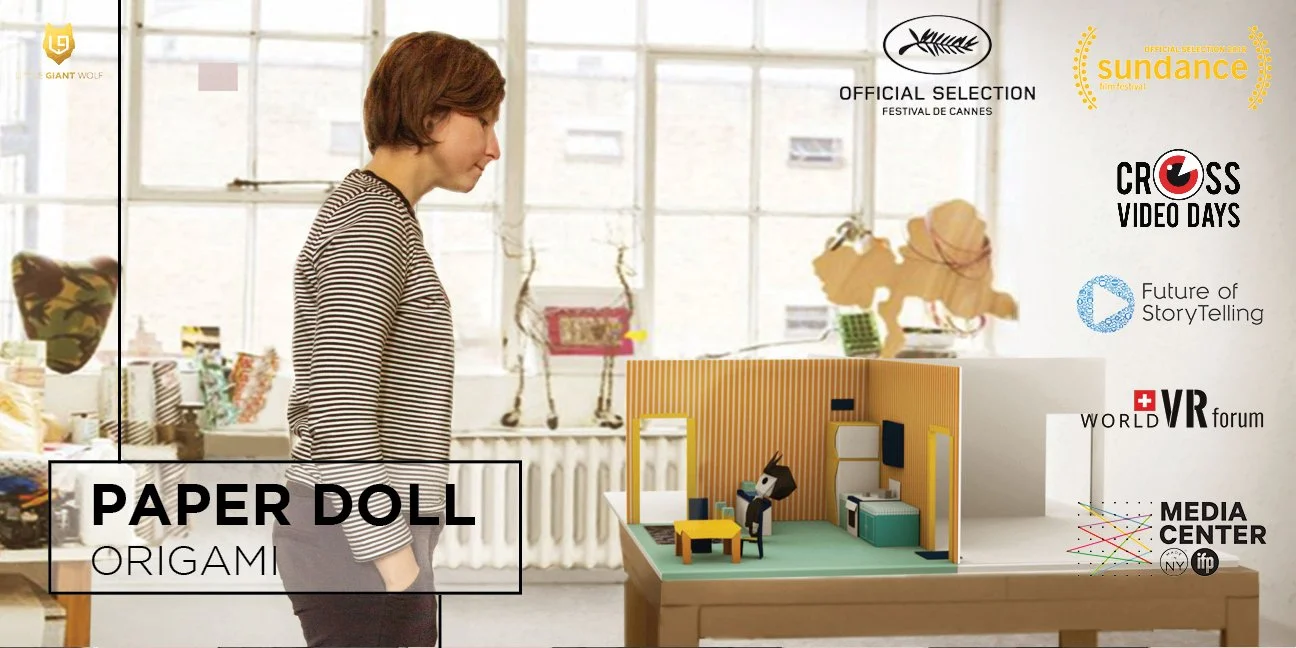
Mixed-Reality Participatory Art Installation
Paper Doll Origami was a mixed reality artwork that examined shifting dynamics of power, agency, and equality through a gently disarming blend of craft, narrative, and immersive technology. The installation invited two participants to move between the roles of Puppet Master, Paper Doll, and Equal, allowing them to feel how dominance and vulnerability changed when these states were embodied rather than observed. Beginning with a shared ritual of folding an origami crane and ending with a symbolic reunion as equals, the work created a safe imaginative distance through which complex relational themes could be explored with clarity and emotional resonance.
Paper Doll Origami
2018
-
Cannes XR, Cannes, France [2019]
Museum of Digital Art (MODA), Silver Dream Group Exhibition, New York, USA [2019]
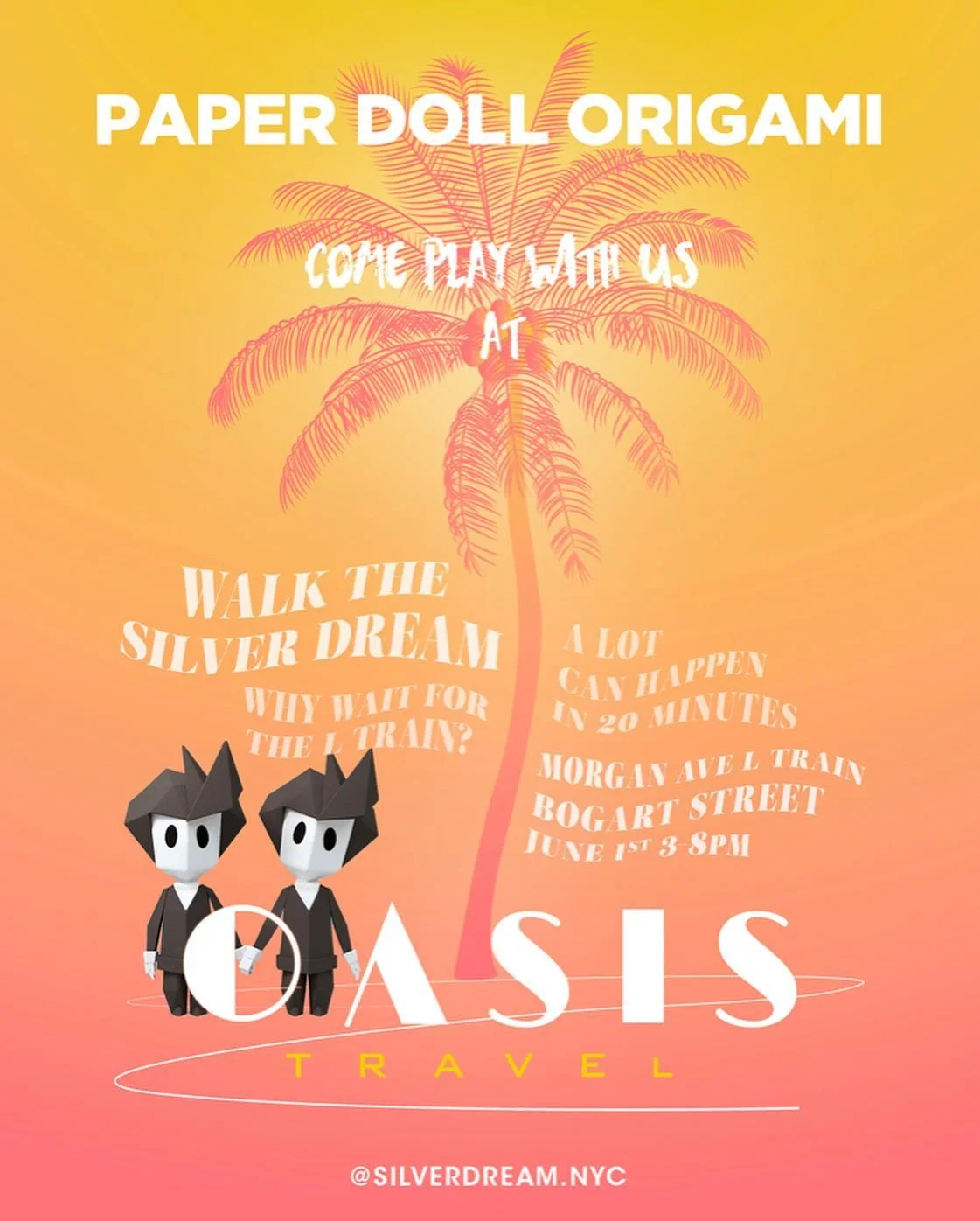
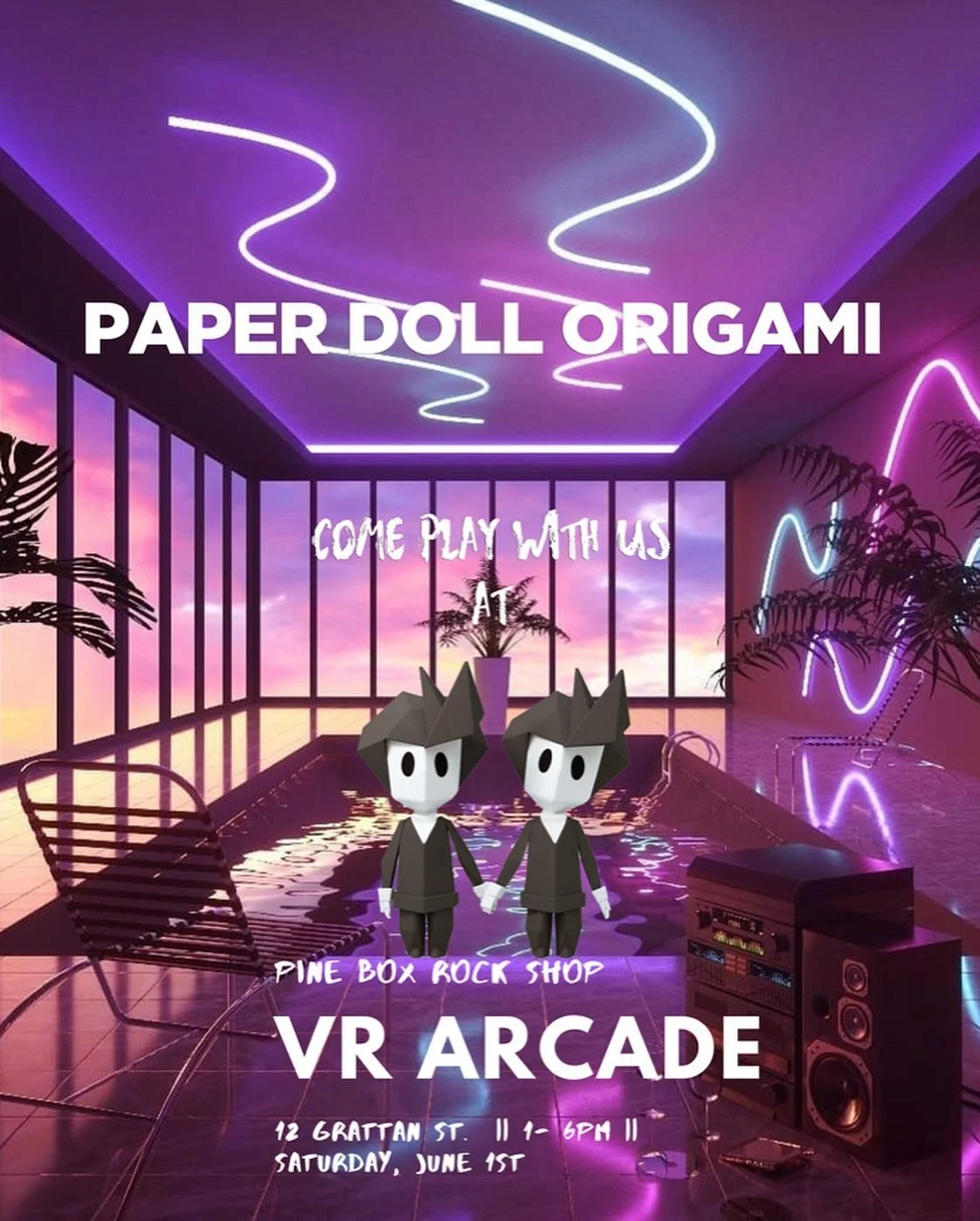
Pine Box VR Arcade, New York, USA [2019]
-
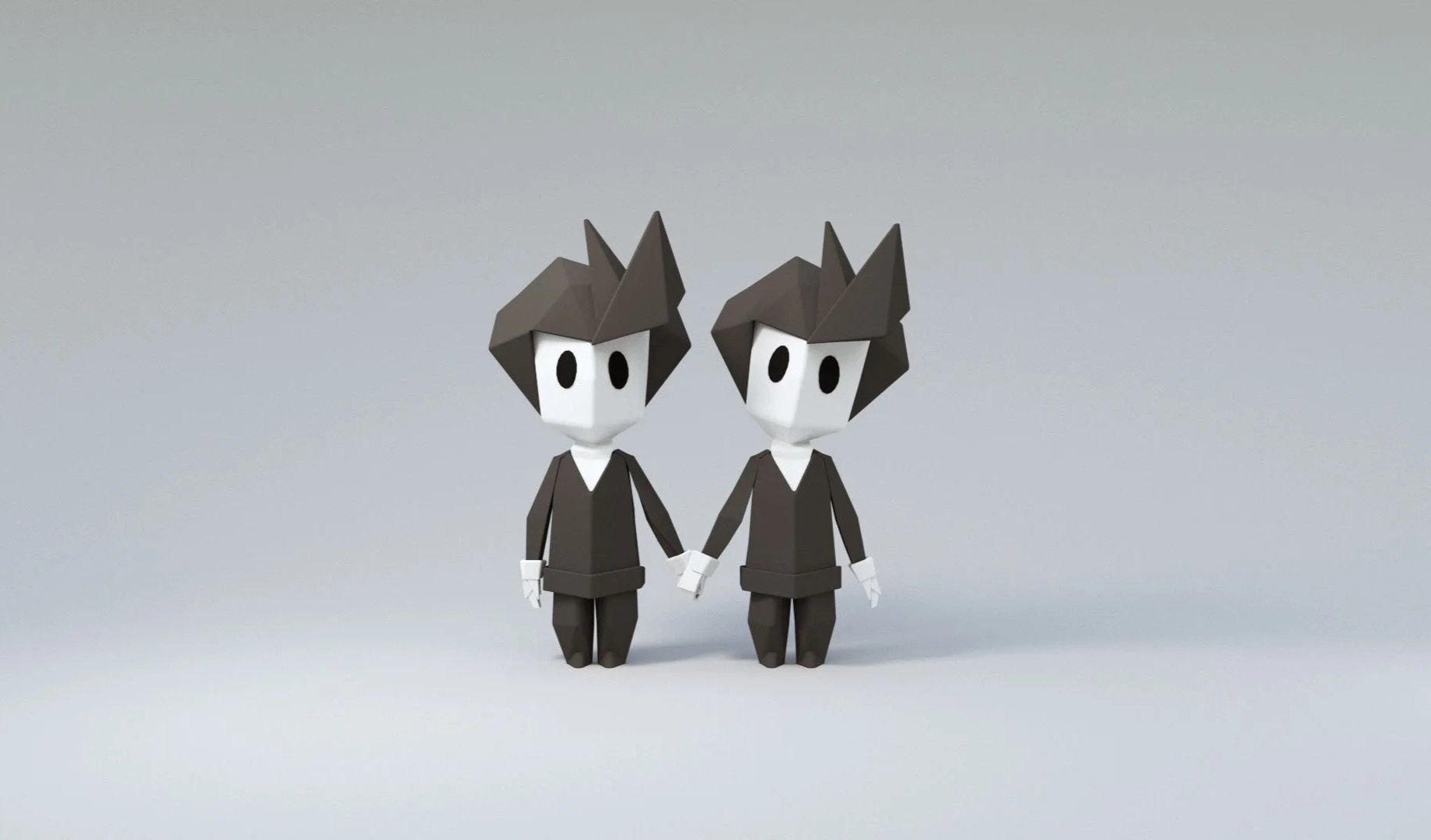
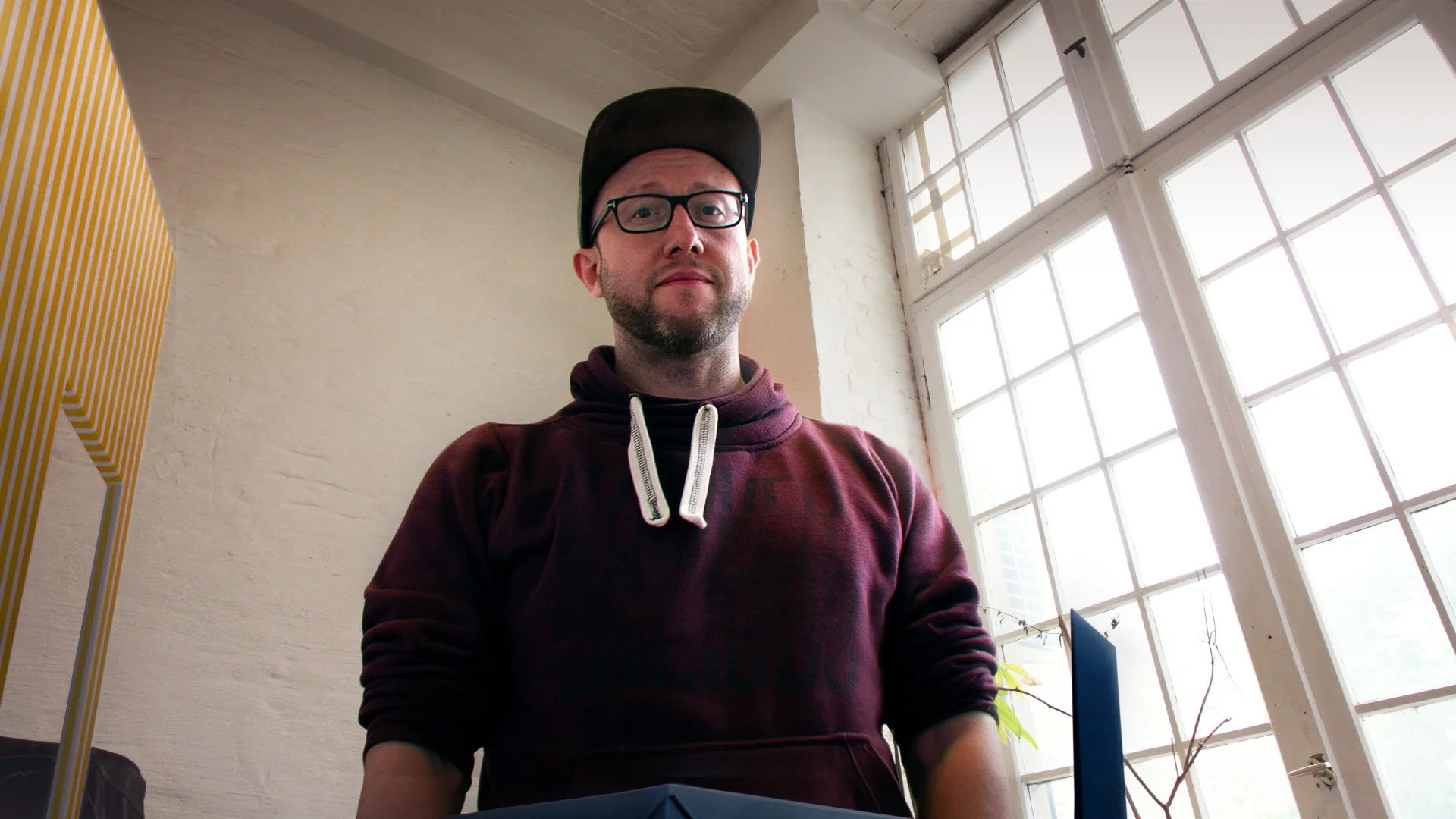
Paper Doll Origami unfolded as a three-act participatory artwork that used an unusually sophisticated mixed-reality system to examine shifting power dynamics. The experience paired two participants whose perspectives were intentionally asymmetrical: one became the Dollmaker, the other the Puppet Master.
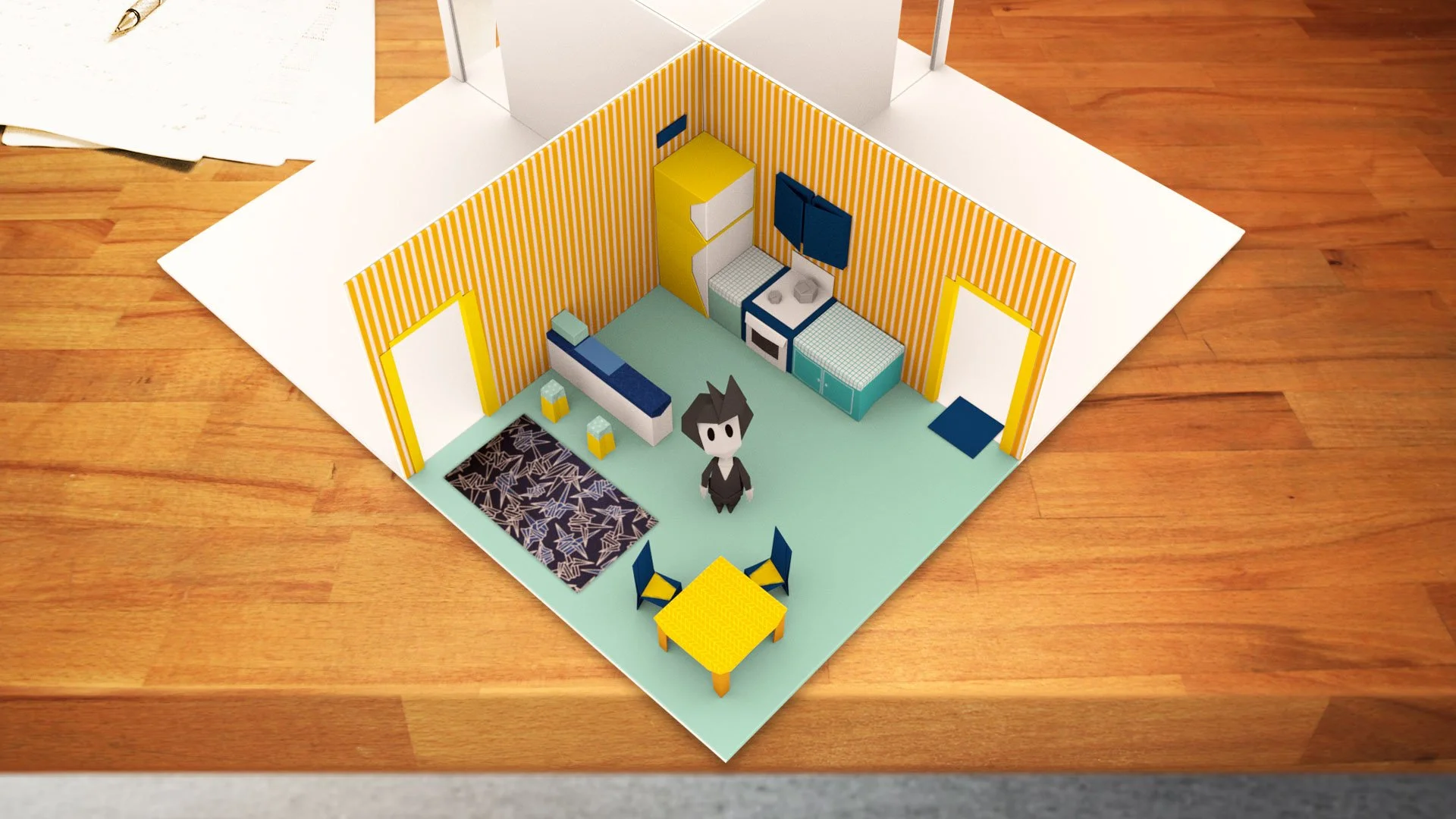
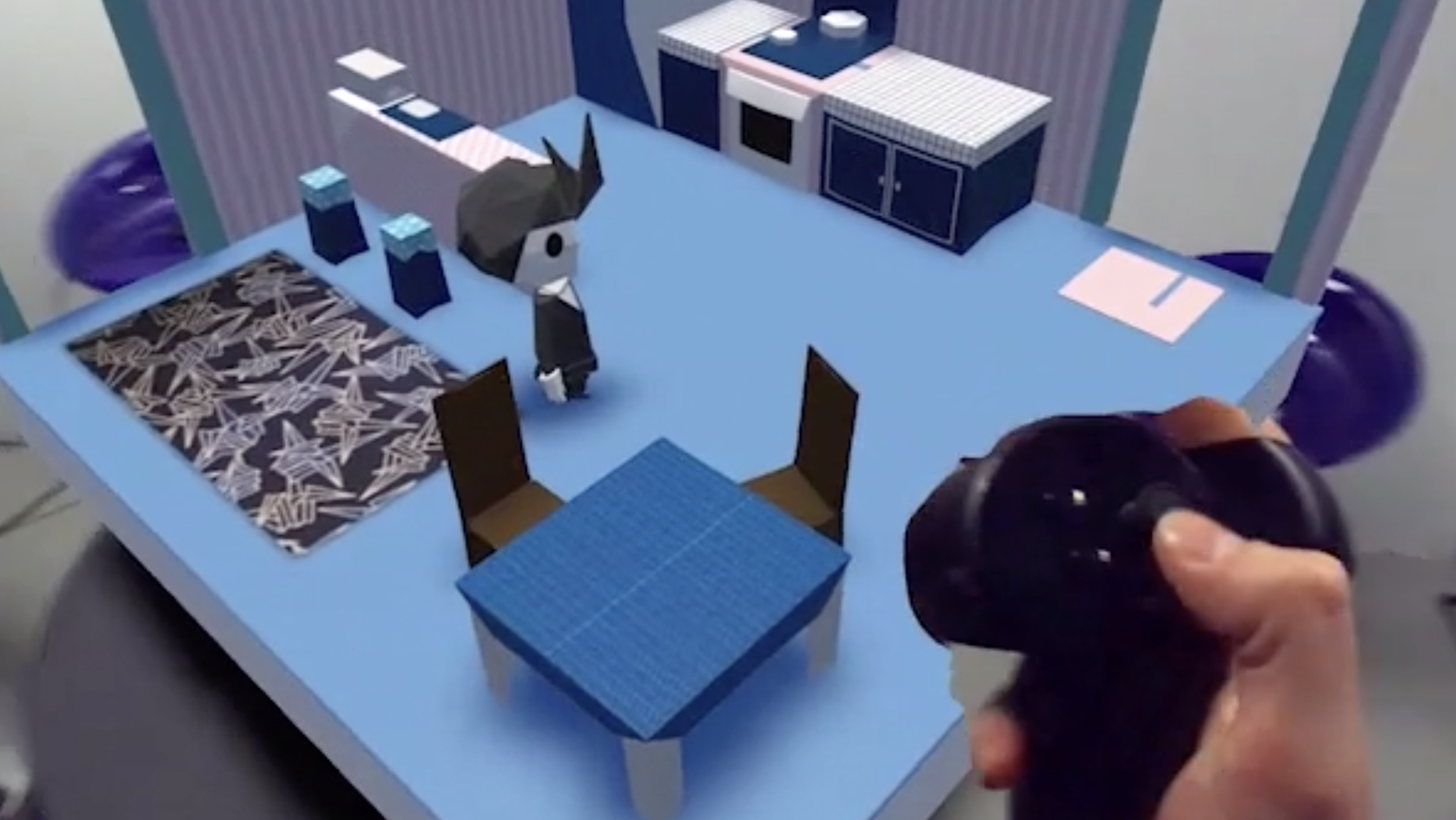
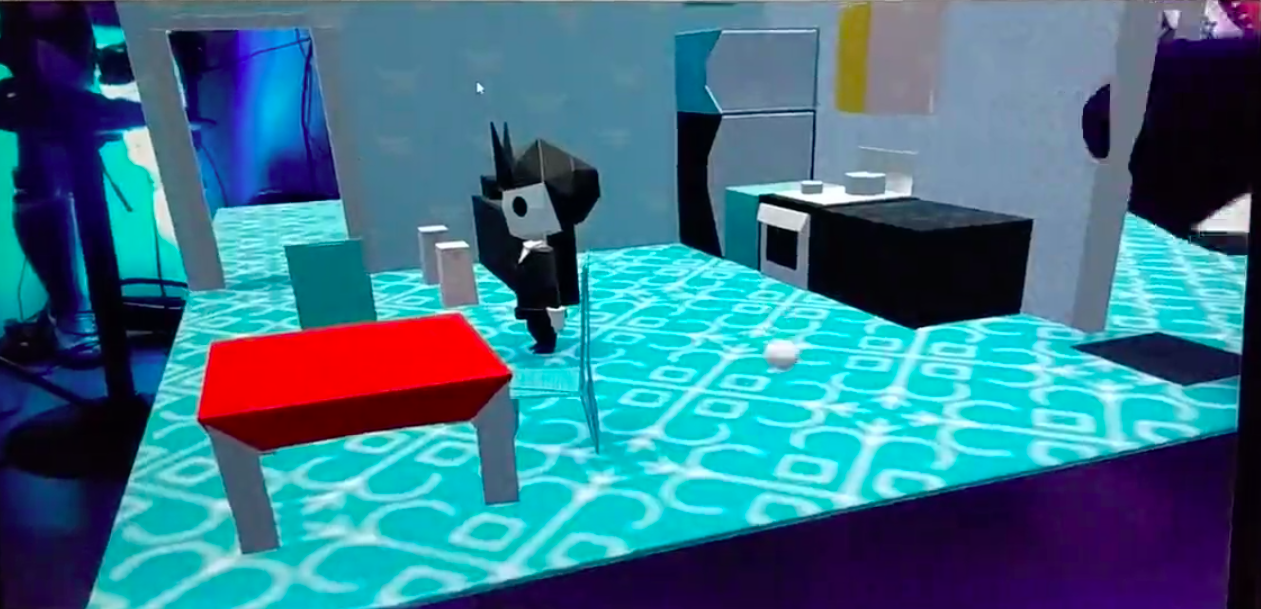
At the centre of the work was a dual-perspective system in which both participants inhabited linked virtual worlds that responded to their actions in real time. In the Dollmaker’s space, a physical dollhouse sat at the centre of the environment. Although they interacted with this tangible object, the Dollmaker saw only its fully virtual representation inside their VR headset. This virtual dollhouse mirrored the scale, structure, and visual language of the world experienced by the Doll, creating two parallel environments that were distinct in form yet synchronised in behaviour.
As the Dollmaker moved items in the physical dollhouse, stagehands received cues through headsets and translated those movements into the Doll’s world by physically shifting large pieces of furniture within the expansive doll-scale set. These oversized objects appeared to move on their own from the Doll’s perspective, reinforcing the uncanny fiction of being small inside a world shaped by hands that could not be seen.
Meanwhile, smaller items selected or adjusted by the Dollmaker, such as clothing or accessories, triggered instantaneous changes inside the Doll’s virtual environment, keeping both viewpoints connected despite their differing scales.
At the narrative midpoint, the roles reversed. The Dollmaker became the Doll, experiencing the constraints of being controlled, while the former Paper Doll stepped into the position of shaping the environment. This inversion allowed each participant to experience both dominance and vulnerability from within, turning abstract ideas into embodied understanding.
The experience ended by returning both participants to the real world as equals, where they placed their origami cranes together into a communal installation. This shared final gesture stood in deliberate contrast to the structured imbalance that came before, offering a moment of reflection on how quickly roles shift and how connection can be repaired.
Paper Doll Origami reflected Skye Von’s wider artistic practice, which used narrative, sensory design, and embodied participation to create imaginative worlds where sensitive or complex themes could be explored safely and meaningfully. By guiding audiences through handmade ritual, shifting perspectives, and a symbolic reunion, the installation opened a space for empathy and reflection. Though no longer active, the work remains an important early exploration of how immersive art can prompt personal insight, emotional awareness, and more compassionate ways of relating to others.
Explore other experiences
-
![]()
JoyCocoon Experience
-
![]()
Culture Mix Experience
-
![]()
Howl For Change Experience
-
![]()
Embrace Experience
-
![]()
You Are what You Eat Experience